

Your Heat Pump Isn't Working Right, and Your Home Feels Uncomfortable
When your heat pump stops working, your whole home is affected almost immediately. You might be feeling air that isn’t quite hot or cold enough, or maybe the system just won’t turn on at all despite what the thermostat says. It is incredibly frustrating when the equipment you rely on every single day suddenly fails when you need it most.
In the Sparta area, we run our heat pumps nearly year-round because they handle both heating and cooling duties. This puts a massive amount of stress on the internal components and the outdoor unit. It is not just your system; we see these units work hard across the Upper Cumberland and eventually require a professional repair or a deep maintenance tune-up to keep going.
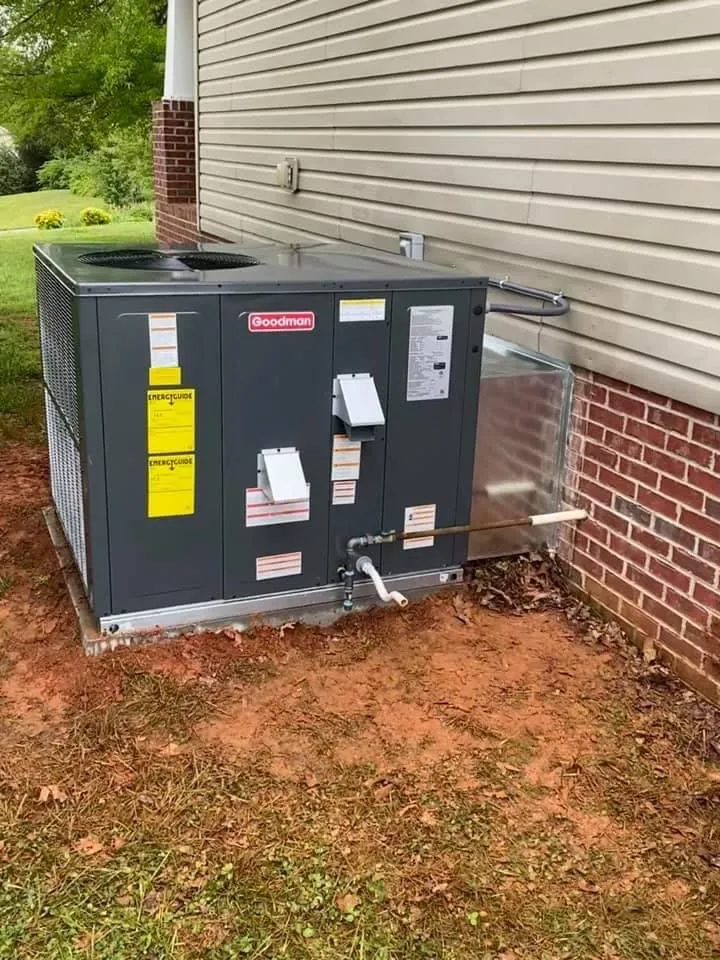
Why Speed Matters for Your Comfort
Letting a heat pump problem go without attention won’t just make your family uncomfortable for a few days. Small mechanical issues often lead to much more expensive and complicated failures down the road if the system keeps trying to run while it is struggling. The longer a part stays broken, the more stress it puts on the rest of the machine.
The first step to getting your home back to normal is figuring out exactly what is going wrong under the hood. Our technicians have the specialized diagnostic tools and the hands-on experience to pinpoint the issue quickly and explain your options clearly. Flatt’s Heating and Cooling can get to your home and solve your heat pump problems today.
Telltale Signs Your Heat Pump Needs Professional Repair
Your heat pump will almost always give you a few warning signs before it gives up and fails completely. Recognizing these symptoms early can be the difference between a simple part replacement and a major system overhaul. Here are the most common signs our technicians see when we are out on service calls in the local area.
Unusual Noises Like Grinding, Squealing, or Loud Banging
A metallic grinding or high-pitched squealing noise usually points to failing bearings inside the fan motor. These motors spin at high speeds for hours at a time, and once the lubrication fails or the bearings wear down, the friction creates these distinct sounds. If you hear a loud clanking or banging, it often indicates a loose component or a serious internal problem with the compressor.
After a long season of running constantly in homes across the region, the wear and tear on these motors becomes very apparent. If you ignore these sounds, a motor can eventually seize up completely. When that happens, the system stops moving air entirely, and the repair becomes more involved than if the motor had been serviced when the noise first started.
A Sudden and Unexplained Spike in Your Electric Bill
Your heat pump is one of the biggest energy consumers in your house, but it is designed to be efficient. If your monthly power bill suddenly jumps without a change in your habits, it is a sign of a serious internal problem. This often happens when a refrigerant leak or a struggling compressor causes the system to run twice as long to reach the same temperature.
For homeowners in the Upper Cumberland, an inefficient heat pump has a direct impact on your monthly budget. You end up paying significantly more money for a lower level of comfort. This financial drain will continue every single month until the underlying mechanical issue is identified and fixed by a professional.
The System Is Blowing Cool or Lukewarm Air in Heat Mode
When you switch your system to heat and the air coming from your vents feels room temperature or barely warm, something is wrong. This is a classic symptom of a few specific problems, such as a low refrigerant charge or a failing reversing valve. The reversing valve is the part responsible for switching the direction of the refrigerant so the system can provide heat.
Tennessee winters have plenty of damp, chilly days where you depend on effective heating to stay cozy. A heat pump that cannot produce adequate heat may be forced to rely on its emergency heat strips. These heat strips use a lot of electricity and are far more expensive to run than the standard heat pump cycle.
Your Outdoor Unit Is Covered in a Thick Layer of Ice
It is normal for a heat pump to develop a very thin layer of frost during cold weather, which it should automatically melt during a defrost cycle. However, if the entire outdoor unit becomes encased in a thick block of ice, the system has malfunctioned. This is a common sight in our damp climate when the defrost components fail to trigger.
The issue could be a faulty defrost control board, a bad temperature sensor, or restricted airflow preventing the cycle from working properly. An iced-over unit cannot transfer heat effectively, which severely reduces its heating capacity. This also puts immense strain on the compressor, which can lead to a total system failure if the ice isn’t cleared and the root cause isn’t fixed.
Short Cycling or Turning On and Off Too Frequently
If you notice your heat pump turning on for a few minutes and then shutting right back off, it is experiencing a condition called short cycling. This is incredibly hard on the electrical components because the startup phase is when the system draws the most power. Short cycling can be caused by anything from a clogged air filter to an overheating motor or an issue with the thermostat.
This constant starting and stopping prevents your home from ever reaching a consistent temperature and wears out the contactors and capacitors prematurely. Our technicians look for the specific trigger that is cutting the cycle short. Fixing this early prevents the compressor from burning out due to the repetitive electrical stress.
Poor Airflow and Weak Pressure from the Vents
Sometimes the heat pump is running, but you can barely feel the air coming out of the registers in your rooms. This lack of airflow can make certain parts of your house feel much warmer or colder than others. Weak airflow is usually a sign that the blower motor is struggling or that there is a major blockage somewhere in the system.
In many cases, this is caused by a heavily clogged internal coil or an air filter that hasn’t been changed in a long time. When the air cannot move freely over the coils, the system cannot exchange heat. We check the entire air path to ensure your fan is moving the right volume of air to keep every room comfortable.
What Is Actually Causing Your Heat Pump Problems?
The symptoms you notice are just the surface-level indicators of a deeper mechanical or electrical issue. Based on thousands of service calls in Sparta and the surrounding areas, we have identified a few root causes that show up most often. Understanding these causes helps us get straight to the fix when we arrive at your door.
Refrigerant Leaks within the Sealed System
A heat pump is a sealed system, meaning it does not consume refrigerant the way a car consumes gasoline or oil. If the refrigerant level is low, there is a physical leak somewhere in the copper lines or the coils. These leaks often occur at joints and connections due to years of vibration and the constant expansion and contraction of the metal.
The distinct heating and cooling seasons in our region cause the metal lines to grow and shrink, which can weaken flare fittings over time. A system with low refrigerant cannot move heat effectively, causing it to work much harder while providing less comfort. We use electronic leak detectors to find these tiny holes, repair the line, and recharge the system to the manufacturer’s exact specifications.
Electrical Component Failure and Wear
Heat pumps rely on several specialized electrical parts to start and run the heavy motors. Capacitors act like large batteries that provide the high-voltage jolt needed to get the compressor and fan motors spinning. Over time, these capacitors lose their ability to hold a charge and eventually fail, often due to heat or age.
Contactors are another common failure point; these are heavy-duty switches that close to send power to the outdoor unit. After thousands of cycles, the metal points on the contactor can become pitted or burned, preventing a clean electrical connection. At Flatt’s Heating and Cooling, we carry the most common electrical parts on our trucks to get these issues resolved quickly.
Power Fluctuations and Cumberland Plateau Storms
In our part of Tennessee, we often experience power flickers, brownouts, or surges during heavy storms. These electrical events put a massive amount of stress on the sensitive control boards and motors inside your heat pump. A single power surge can fry a control board or weaken the windings inside a motor.
While you cannot control the weather, we can check for signs of electrical damage during a service visit. We often find that systems that have been through multiple local storms have weakened components that are just waiting for a reason to fail. Replacing a weakened capacitor is a simple way to prevent a total system shutdown during the next weather event.
Restricted Airflow from Dirty Coils and Clogged Filters
Your heat pump has to breathe to work, and it does this through the indoor and outdoor coils. The outdoor unit often gets clogged with grass clippings, fallen leaves, and dust, while the indoor filter catches household debris. When these surfaces get covered in a layer of grime, the heat transfer process is significantly slowed down.
Given the high pollen counts and airborne dust in rural parts of White County, these coils can become dirty surprisingly fast. When airflow is blocked, the internal pressures of the system rise to dangerous levels. This is one of the leading causes of compressor failure, as the heart of the system tries to push through the resistance of a “choked” machine.
Faulty Reversing Valves and Solenoids
The reversing valve is the component that makes a heat pump unique, allowing it to provide both heating and cooling. This valve uses a small electrical solenoid to slide a mechanical piece back and forth to change the flow of refrigerant. If the solenoid fails or the valve gets stuck in one position, you will only have one mode of operation.
If your system is stuck blowing cold air when you need heat, the reversing valve is often the prime suspect. Testing this requires a technician to check both the electrical signal from the thermostat and the physical pressures within the valve. We can determine if the problem is a simple electrical fix or if the entire valve needs to be replaced.
What to Expect When a Flatt’s Technician Visits Your Home
We want you to feel completely confident and informed from the moment we pull into your driveway. Our goal is to respect your property, diagnose the problem with total accuracy, and provide a clear, long-term solution. We treat every home in Sparta with the same care we would give our own families.
A Conversation about Your System’s Performance
The first thing our technician will do is sit down and listen to your concerns. We will ask you to describe the specific noises, smells, or temperature changes you have noticed lately. Your observations are a critical part of the diagnostic process because you live with the system every day and know when it sounds “off.”
By understanding the history of the problem, we can narrow down the list of potential causes much faster. We might ask how long the issue has been happening or if you noticed it after a specific event, like a heavy rainstorm or a power flicker. This conversation ensures we are looking at the whole picture rather than just a single part.
A Systematic and Comprehensive Diagnosis
Our technician will then perform a step-by-step evaluation of the entire system, starting with the thermostat and air filter inside. We check the indoor air handler and the outdoor condenser unit, measuring electrical amperage draw and refrigerant pressures. We don’t just look for the first thing that is broken; we look for the reason why it broke.
This thorough approach ensures that we aren’t just putting a “band-aid” on a larger problem. For example, if a motor failed, we want to make sure a clogged coil wasn’t causing it to overheat. We check the capacitors, contactors, fan blades, and coils to give your heat pump a complete clean bill of health.
Clear Explanations and Upfront Pricing
Before any actual repair work begins, the technician will explain exactly what was found during the inspection. If a part has failed, we will show it to you whenever possible and explain what it does for the system. You will receive a clear, detailed price for the repair so there are no surprises when the job is finished.
We want you to have all the information you need to make an informed decision about your home. If there are multiple ways to address a problem, we will lay out the pros and cons of each option. Our priority is providing a repair that is safe, effective, and fits your specific needs and budget.
Professional Repair and Full System Verification
Once you approve the work, our technician will complete the repair using high-quality parts and industry-standard best practices. We don’t just swap the part and leave; we stay to verify that the fix actually solved the problem. This involves running the system through a full cycle to ensure everything is operating at peak efficiency.
We check the temperatures at the vents and listen for any remaining noises to make sure the system is settled. After the work is done, we will pack up our tools and leave your home as clean as we found it. We take pride in the quality of our work and want to make sure you are 100 percent satisfied with the result.
Why Ignoring Heat Pump Warning Signs Costs You More in the Long Run
Postponing a service call might seem like a way to save money in the short term, but it almost always leads to much larger expenses. A small mechanical issue today can easily cascade into a major system failure tomorrow. Heat pumps are complex machines where every part relies on the others to function correctly.
For example, a failing capacitor is a very affordable part to replace. However, if that capacitor fails completely, it can cause the compressor motor to overheat and burn out its internal windings. Replacing a compressor is one of the most expensive repairs a heat pump can have, often costing thousands of dollars more than the original capacitor fix would have.
The Hidden Cost of Wasted Energy
A system that is low on refrigerant or has extremely dirty coils will run for much longer cycles to reach the temperature set on your thermostat. This extra run time adds up quickly on your monthly utility bills. You could easily spend hundreds of extra dollars a year on electricity just because the system is struggling to breathe or move heat.
When we restore your system to its peak efficiency, it pays for itself over time through lower energy costs. A well-maintained heat pump uses the minimum amount of power possible to keep your home comfortable. Fixing those small efficiency drains is one of the best ways to protect your monthly household budget.
Preventing Serious Secondary Damage to Your Home
Some heat pump problems can cause damage that goes far beyond the HVAC equipment itself. A clogged drain line or a frozen indoor coil can cause water to overflow from the drain pan. This water often ends up leaking into your ceilings, walls, or flooring, leading to expensive water damage repairs and potential mold growth.
These secondary issues are often not covered by equipment warranties, leaving you with a major home renovation project on your hands. By addressing leaks and airflow issues as soon as you notice them, you protect the structural integrity of your house. Regular professional attention is the best insurance policy for your home’s comfort and safety.
Your Local Heat Pump Experts in Sparta and the Upper Cumberland
At Flatt’s Heating and Cooling, we understand the unique demands placed on heat pumps in the Tennessee climate. Our technicians are trained to service all makes and models, from older units in established neighborhoods to the high-efficiency systems in newer homes. We live and work in this community, and we take our responsibility to our neighbors seriously.
We are a local company based right here in Sparta, and we are committed to providing reliable, honest service to everyone in the Upper Cumberland region. You don’t have to settle for an uncomfortable home or a system that makes strange noises every time it kicks on. We have the expertise, the tools, and the dedication to get your heat pump back in top shape.
When you need professional heat pump service you can trust, our team is ready to help you get your comfort back. Flatt’s Heating and Cooling can get to your home and solve your heat pump problems today.