

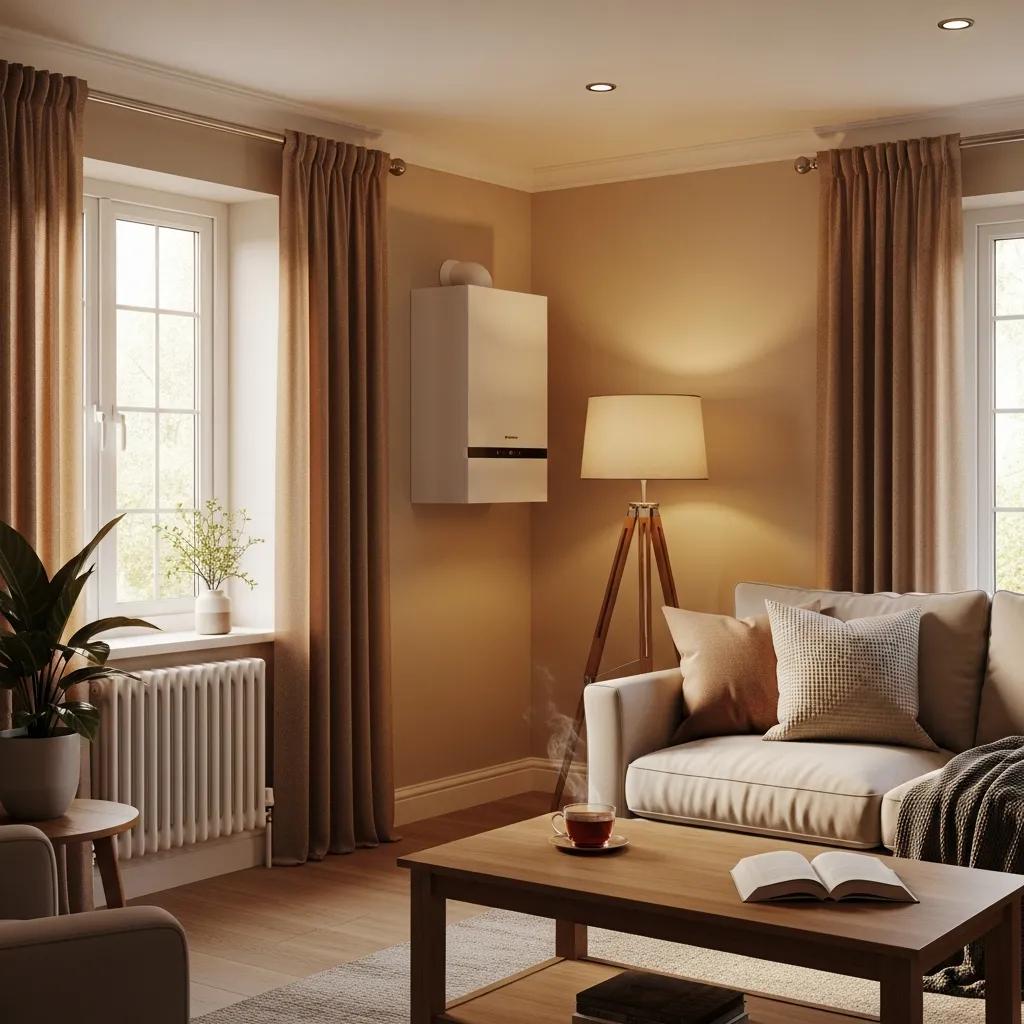
How Boiler Heating Systems Work — Energy-Smart Heating and Simple Maintenance
Boiler systems move heat with water or steam to quietly warm homes and businesses. This article explains basic operation, main parts, and why hydronic and radiant heating deliver steady comfort while helping control energy and repair costs. Understanding these systems can help homeowners make informed decisions about heating solutions that balance efficiency and comfort.
Research confirms the system’s dynamic behavior — things like plant size, supply temperature, and controls — plays a big role in overall performance and efficiency. These factors influence how well the system adapts to changing heating demands and environmental conditions, ultimately affecting energy consumption and comfort levels.
What Are the Key Components of Boiler Heating Systems?
Core parts include the boiler body, heat exchanger, circulating pumps, and controls. The boiler heats water or makes steam, pumps circulate it through pipes, and radiators or underfloor loops release heat to rooms — so a small fault in any part can affect comfort or efficiency. Proper maintenance and timely repairs of these components are essential to ensure the system operates smoothly and reliably over time.
How Does Hot Water Heating Operate Within Boilers?
Hot-water boilers heat water and send it through a pipe loop to radiators, baseboards, or underfloor tubing; the cooled water returns to the boiler to be reheated. Modern systems regulate water temperature to maintain comfort without wasting fuel. This continuous cycle ensures rooms stay warm evenly and efficiently throughout the heating season.
What Role Does Radiant Heating Play in Boiler Systems?
Radiant heating warms surfaces (typically floors or walls) that then radiate heat into the room. It reduces cold spots and pairs well with boilers to give even, quiet warmth and often better perceived air comfort than forced air. This method also minimizes dust circulation, making it a healthier option for people with allergies or respiratory issues.
What Are the Benefits of Hydronic and Radiant Heating Systems?

Hydronic and radiant systems are valued for efficient heat transfer and predictable, comfortable results. They provide steady temperatures and lower operating noise without ducts or blowers. These systems also contribute to improved indoor air quality by reducing airborne allergens and dust compared to forced-air heating.
- Energy Efficiency: Water carries heat more effectively than air, so hydronic systems can heat with less energy and lower bills. This efficiency translates into reduced fuel consumption and a smaller environmental footprint, making hydronic heating a sustainable choice for homeowners.
- Comfort Levels: Radiant heat warms people and surfaces directly, reducing drafts and cold spots for consistent comfort. This direct warmth often feels more natural and soothing, enhancing overall living space comfort during cold months.
- Cost Savings: Better distribution and lower losses typically reduce monthly heating expenses and improve lifetime value. Additionally, these systems often require less maintenance and have longer service lives, further contributing to cost-effectiveness.
Want the best results? Flatt’s Heating and Cooling specializes in design, installation, and service for hydronic and radiant systems. Their expert team ensures your system is tailored to your home’s specific needs for maximum efficiency and comfort.
How Does Hydronic Heating Provide Even Heat Distribution?
Hydronic loops move hot water through pipe networks so rooms receive steady heat; because water stores heat well, systems cycle less and maintain steadier temperatures than many forced-air setups. This results in fewer temperature fluctuations and a more comfortable indoor environment throughout the day.
Why Choose Radiant Heating for Comfort and Efficiency?
Radiant systems let you feel comfortable at lower thermostat settings and eliminate many drafts. They often feel more natural and uniform than air-based systems. This can lead to energy savings as the thermostat can be set lower without sacrificing comfort.
How Can You Maintain Your Boiler for Optimal Performance?

Simple routine care and an annual professional check keep boilers safe, efficient, and reliable, reducing breakdowns and extending equipment life. Regular maintenance also helps identify potential issues early, preventing costly repairs and ensuring consistent heating performance throughout the season.
- Essential Maintenance Tasks: Check system pressure, bleed radiators, inspect for leaks, and keep the boiler area clean; verify controls and safety devices work properly. Performing these tasks regularly helps maintain system efficiency and prevents unexpected failures that could disrupt heating.
- Frequency of Maintenance: Schedule a professional tune-up at least once a year to catch small problems early. Annual inspections also ensure that all components meet safety standards and operate at peak performance, providing peace of mind during cold months.
- Benefits of Regular Maintenance: Proper upkeep improves efficiency, lowers fuel use, and reduces unexpected repair costs. Additionally, well-maintained boilers tend to have longer lifespans, offering better return on investment over time.
Consider scheduling maintenance services with Flatt’s Heating and Cooling, serving Sparta, TN and nearby areas. Their experienced technicians provide thorough inspections and expert care to keep your system running smoothly.
What Are Essential Boiler Maintenance Tips to Prevent Breakdowns?
Follow a few simple checks to reduce failures and keep the system running smoothly. These proactive steps can save time and money by avoiding emergency repairs and ensuring consistent heating performance.
- Check Pressure Regularly: Monitor the gauge; most residential systems run near 12–15 psi to avoid stress on components. Maintaining correct pressure helps prevent leaks and mechanical failures, ensuring the system operates safely and efficiently.
- Bleed Radiators: Release trapped air when tops of radiators are cool to restore even heat and reduce boiler load. This simple task improves heat distribution and reduces noise caused by air pockets in the system.
- Inspect for Leaks: Look for damp spots, corrosion, or puddles around pipes and the boiler; early detection avoids damage and costly repairs. Promptly addressing leaks also helps maintain system pressure and prevents water damage to your home.
These habits cut downtime and help maintain comfortable homes all season. Consistent attention to maintenance details ensures your boiler delivers reliable warmth when you need it most.
How Does Regular Maintenance Improve Energy Efficiency?
Clean components, correct pressure, and tuned controls let the boiler reach set temperatures with less fuel. Regular professional maintenance often yields measurable energy savings and better long-term performance. This not only reduces your heating bills but also minimizes environmental impact by lowering fuel consumption.
How Do Energy Efficient Boilers Save Costs and Reduce Emissions?
Higher-efficiency boilers convert more fuel into usable heat, reducing fuel consumption, lowering bills, and cutting greenhouse gas emissions from heating. These systems are designed to maximize energy use and minimize waste, making them an environmentally responsible choice for homeowners.
- Cost Savings from Energy-Efficient Models: Upgrading to a high-efficiency boiler can significantly reduce heating expenses; many efficient models have AFUE ratings of 85% and above. Over time, these savings can offset the initial investment and provide ongoing financial benefits.
- Emissions Reduction Benefits: Burning less fuel produces fewer emissions, which helps reduce a home’s carbon footprint. Choosing an energy-efficient boiler contributes to cleaner air and supports broader efforts to combat climate change.
What Features Define an Energy Efficient Boiler System?
| Feature | Description | Impact |
|---|---|---|
| High AFUE Rating | Measures how much fuel is converted into heat — common efficient ratings are 85% and above. This rating indicates the boiler’s ability to use fuel effectively, minimizing waste. | Lower fuel use and reduced heating costs, resulting in significant savings over the boiler’s lifespan. |
| Modulating Burners | Adjust flame size to match actual heating demand for smoother operation. This feature allows the boiler to run more efficiently by avoiding constant on/off cycling. | Improved comfort and better fuel efficiency, as the system adapts to changing heating needs seamlessly. |
| Advanced Controls | Smart thermostats and sensors that learn use patterns and optimize operation. These controls enhance system responsiveness and energy management. | More consistent comfort and added energy savings through intelligent heating schedules and adjustments. |
Combined, these features make efficient boilers more economical to run and easier to live with — a practical long-term investment for many homeowners. Upgrading to such systems supports both financial and environmental goals.
How Do Upgrades Impact Heating Bills and Environmental Footprint?
Replacing an older boiler with a modern, efficient model commonly lowers annual heating expenses and can pay back the upgrade over several years through energy savings. Efficient boilers also reduce greenhouse gas emissions, contributing to a healthier environment. These benefits make upgrading a smart choice for homeowners looking to improve comfort and sustainability.
Ready to Improve Your Heating Efficiency?
Understanding boilers and keeping them maintained puts you in control of comfort and cost. Regular maintenance and targeted upgrades provide dependable warmth and lower expenses. Contact Flatt’s Heating and Cooling today to book service, schedule maintenance, or discuss an energy-efficient upgrade. Their knowledgeable team is ready to help you find the best solutions for your home’s heating needs.
Take Action for Reliable, Efficient Heating
Boiler systems can be reliable and efficient when installed and maintained correctly. Prioritize annual service and consider efficiency upgrades to save energy, reduce emissions, and enjoy steadier comfort. Contact Flatt’s Heating and Cooling to schedule a checkup or discuss upgrades and find a practical, cost‑effective solution for your home. Taking these steps ensures your heating system performs optimally for years to come.