

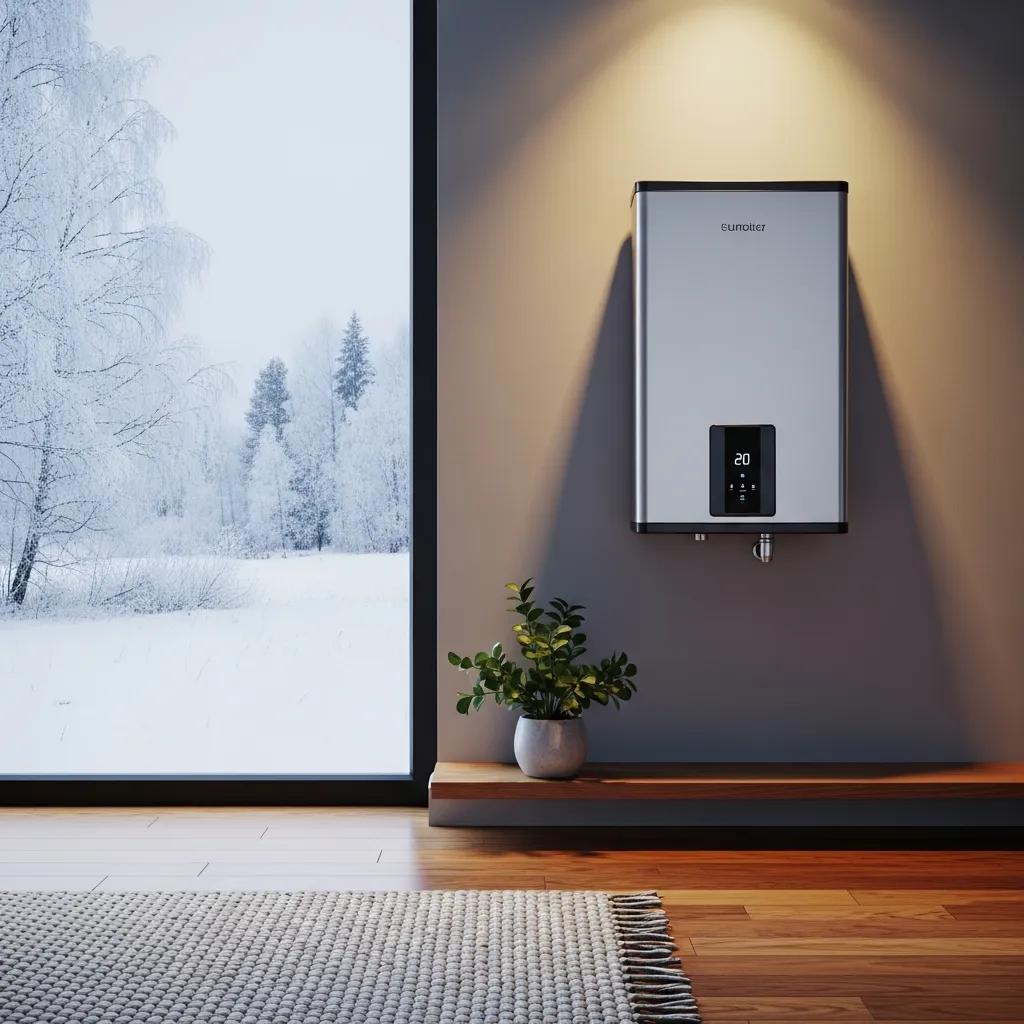
Why choose a tankless water heater this winter?
Cold mornings and surprise chilly showers quickly show the limits of an old tank water heater. Higher winter energy bills leave many homeowners looking for a smarter option. This guide explains how tankless water heaters deliver hot water on demand, cut standby heat loss, and fit modern homes—especially during cold months. You’ll learn the common winter problems with storage tanks, how flow-activated tankless units behave with cold inlet water, and the practical installation and maintenance steps that help prevent winter breakdowns. We compare tanks to tankless systems, highlight what to look for when choosing a unit, and give simple maintenance checklists. We also walk through what installation and service look like from a family-owned Sparta, TN company so you can decide if a winter upgrade makes sense for your home.
What winter hot-water challenges do traditional heaters present?
Conventional tank water heaters keep a large volume of water hot all the time, which creates standby heat loss and wastes energy — a problem that gets worse during long, cold nights. When inlet water is near freezing, tanks have to reheat big batches of cold water over and over, which uses more energy and makes recovery between showers slower. Older tanks are also more prone to winter failures: scale buildup and aging thermostats can reduce performance when demand spikes. Knowing these failure modes helps you prioritize upgrades before a breakdown leaves you without hot water on a cold morning.
| System Type | Winter Weakness | Typical Impact |
|---|---|---|
| Traditional Tank | Standby heat loss and reheating cycles | Higher winter energy bills and slower recovery |
| Traditional Tank | Large stored volume vulnerable to sediment | Reduced heat transfer and sudden failures |
| Tankless (properly sized) | Requires correct sizing for cold inlet water | Continuous hot water and lower standby loss |
The table sums it up: tanks trade efficiency for stored capacity, while tankless units cut standby loss but must be sized correctly for cold climates. Understanding these differences helps you pick the right solution for your household.
How does limited hot water affect your winter comfort?
A tank running short of hot water can disrupt morning routines: showers, laundry, and the dishwasher can quickly drain stored capacity and force lower temperatures or waiting for recovery. Homes with two or more bathrooms often feel this strain most on cold mornings when inlet temperatures are lowest. That inconvenience costs time and causes frustration—reasons many homeowners make hot-water reliability a winter priority and consider on-demand systems as a practical fix.
Why do traditional water heaters raise energy bills in winter?
Storage tanks keep water at temperature constantly and must reheat larger volumes whenever the water cools. Standby heat loss increases in winter because lower ambient and inlet temperatures force the heater to run more often and longer. Colder inlet water makes burners or elements work harder to reach setpoints, and scale buildup only adds to inefficiency. Over a season, the repeated reheating and reduced heat transfer can noticeably increase fuel or electricity use compared with demand-based heating. Addressing these losses—through better insulation, regular maintenance, or switching to tankless—can lower winter costs and improve reliability.
Research shows storage water heaters can experience measurable standby heat loss that affects overall energy use.
How do tankless water heaters deliver on-demand hot water in winter?
Tankless water heaters heat water only when you open a tap or run an appliance. A flow sensor and heat exchanger activate a burner or heating elements instantly, eliminating standby loss and matching energy use to actual demand. In winter, proper sizing matters: colder inlet water needs more thermal input to reach the same temperature rise, so a correctly sized unit keeps hot water flowing even with simultaneous uses. Tankless models are compact, can include freeze-protection features, and are often installed inside conditioned space or insulated to handle cold locations reliably. That combination of flow-activated heating and reduced wasted heat explains why tankless systems can outperform tanks when they’re matched to household needs.
Research highlights the importance of inlet water temperature when assessing tankless control performance, especially for point-of-use installations.
| Model Category | Attribute | Typical Value |
|---|---|---|
| Gas Tankless | Energy source and output | High flow rates; good for whole-house needs |
| Electric Tankless | Efficiency rating | Near-instant efficiency; limited by household circuit capacity |
| Condensing Tankless | Efficiency rating | Highest thermal efficiency; better for cold inlet conditions |
Gas and condensing tankless units generally offer higher flow capacity and better performance with large temperature rises, while electric models are efficient at point-of-use but may require electrical upgrades for whole-house service. Use these traits to narrow your options before installation planning.
When you’re ready to evaluate models and pick a unit that matches winter demand and your home’s infrastructure, Flatt’s Heating & Cooling can help with product guidance and a direct review of options. If you prefer a professional selection and installation, tell a local specialist your needs and request a sizing assessment to ensure steady hot water all winter.
- Key tankless benefits for winter homes: Tankless water heaters provide continuous hot water and prevent run-out during simultaneous uses—valuable when winter household demand spikes.They remove standby loss by heating only on demand, cutting wasted energy during the cold months.The smaller footprint frees up basement or closet space and makes freeze protection and relocation easier during retrofits.
These benefits explain why many homeowners choose tankless systems for better winter reliability and long-term savings—and why choosing a qualified local installer matters.
For personalized advice on picking the right tankless system or to discuss your home’s specifics, contact Flatt’s Heating & Cooling today.
What makes tankless water heaters more energy efficient in cold weather?
Because tankless heaters only run when water flows, they avoid standby losses and often achieve higher seasonal efficiency for many households. Condensing gas tankless models recover extra heat from exhaust, offering better thermal efficiency with cold inlet water than non-condensing units. Electric tankless units convert nearly all input power to heat at the point of use, though whole-home electric solutions can require circuit upgrades. Considering Sparta, TN winter temperatures and your household’s hot-water patterns will help determine which efficiency profile delivers the best seasonal savings.
How does the compact design benefit your home this winter?
Most tankless units are wall-mounted and compact, letting you place them closer to points of use or inside conditioned spaces to reduce exposure to freezing air. Reclaiming the floor space formerly used by a tank opens storage options and reduces cold-space exposure that can harm tanks and piping. In many retrofit cases, a wall-mounted tankless installs with minimal structural change, and relocating it away from unheated crawlspaces lowers freeze risk and simplifies venting. The compact design saves room and makes winter freeze protection easier to manage.
Why choose Flatt's Heating & Cooling for tankless water heater installation in Sparta, TN?
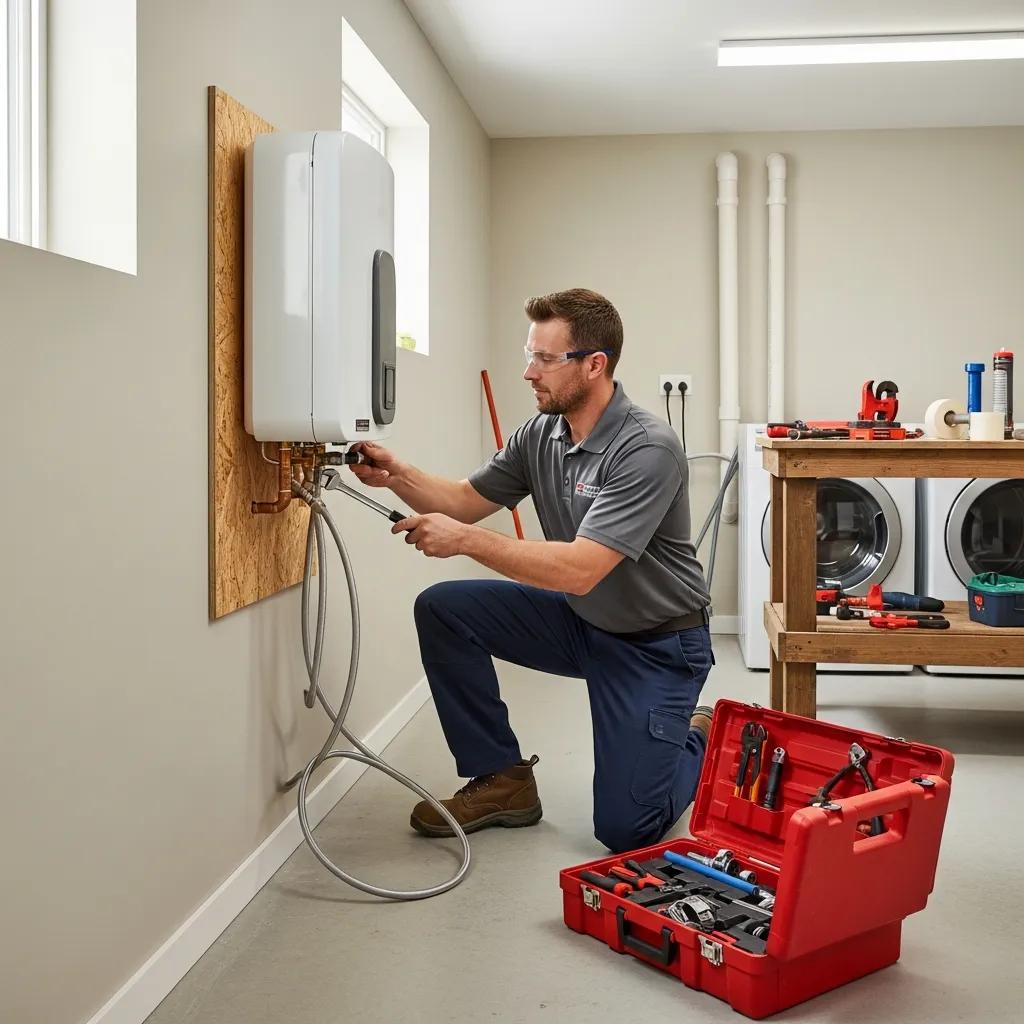
Flatt’s Heating & Cooling is a family-owned local HVAC company in Sparta, TN that installs, repairs, and maintains heating systems, indoor air quality solutions, and tankless water heaters with a focus on winter readiness. We emphasize accurate on-site assessment and correct sizing for cold inlet conditions so each tankless system meets your household’s flow needs without being oversized. Our process pairs clear equipment recommendations with professional installation—proper venting, combustion safety, and thorough commissioning—so systems perform reliably when temperatures drop. To schedule an assessment or discuss financing and service plans, call our local office or use the service request options on our contact page.
- Local knowledge: We know Sparta, TN winters and size and place equipment with local conditions in mind to keep your system dependable during cold spells.
- Professional installation: Our installs include safety checks, venting compliance, and commissioning so your tankless water heater runs safely and efficiently from day one.
- Post-install support: We offer follow-up inspections and maintenance plans designed to keep your system running and prevent winter breakdowns.
What are the key steps in our tankless water heater installation process?
We start with a thorough on-site assessment to measure household flow rates, peak simultaneous use, and inlet water temperature—critical factors for winter sizing. Then we review equipment options and recommend the best fit based on fuel source, space, and efficiency goals. Installation includes professional mounting, correct venting and combustion-air setup, connections to water and gas or electrical supply, and commissioning with safety checks and user orientation. Finally, we schedule a follow-up to confirm performance and enroll your system in a maintenance plan if you’d like.
How can flexible financing make your winter upgrade affordable?
Flexible financing spreads upfront costs so you can start saving on winter energy right away while managing monthly payments to fit your budget. Financing makes higher-efficiency condensing units and professional installation accessible without waiting until after the coldest months. We review available terms during the estimate and show projected energy and cost savings to help you evaluate payback. For specific financing details and eligibility, contact our team for a personalized estimate and payment plan.
What maintenance tips ensure your tankless water heater performs optimally this winter?
Regular maintenance keeps heat exchangers free of scale and confirms freeze protections, venting, and sensors are working correctly—actions that reduce winter breakdown risk and preserve efficiency. A simple homeowner checklist prevents common problems and complements annual professional service, including descaling in hard-water areas. Below are seasonal maintenance priorities to handle before cold weather sets in.
Planning maintenance ahead of long or severe winter stretches helps ensure reliable hot water when you need it most.
- Inspect and clear venting and intake pathsBlocked vents or intakes can create unsafe operation or reduce efficiency. Clearing these before winter maintains proper airflow and combustion safety.
- Flush or descale the heat exchanger if mineral buildup is presentMineral deposits lower heat transfer and can cause overheating or failure. Regular flushing preserves performance and extends equipment life.
- Confirm any installed freeze-protection or recirculation settings are activeFreeze-protection features prevent damage during cold snaps. Verify these settings before sustained cold weather to avoid costly repairs.
Taking these steps before sustained cold weather helps keep your system reliable and prevents emergency service calls. For full seasonal service, schedule a professional inspection to check sensors, pressure-relief components, and combustion elements.
How does regular maintenance prevent winter breakdowns?
Regular maintenance removes scale that reduces heat transfer and ensures sensors and flow switches respond correctly at low flow. Preventative descaling and filter checks lower stress on the heat exchanger—the part most likely to fail under heavy winter use. Professional inspections catch early signs such as corrosion, vent restriction, or electrical faults before they escalate into outages. Routine service not only reduces the chance of winter breakdowns but also preserves efficiency and extends equipment life.
When should you schedule professional tankless water heater service?
We recommend professional service at least once a year, ideally before sustained cold weather, to verify freeze protection, venting integrity, and heat-exchanger condition. If you notice inconsistent temperatures, reduced flow, unusual noises, or error codes, arrange an inspection promptly to avoid a complete loss of hot water during peak winter demand. For Sparta, TN residents, pre-winter checks and quick responses to performance changes help keep hot water steady through the coldest months; contact the local service team by phone or request a service visit through our service request channels to book an appointment.
Conclusion
Switching to a tankless water heater this winter can deliver continuous hot water, lower energy costs, and a smaller footprint that improves home efficiency. By understanding on-demand heating and the importance of proper sizing and maintenance, you can make a confident choice that improves comfort and reduces utility bills during cold months. For personalized help selecting the right system, reach out to our expert team at Flatt’s Heating & Cooling. Take the first step toward a more reliable, efficient winter—contact us today.